SUMMARY
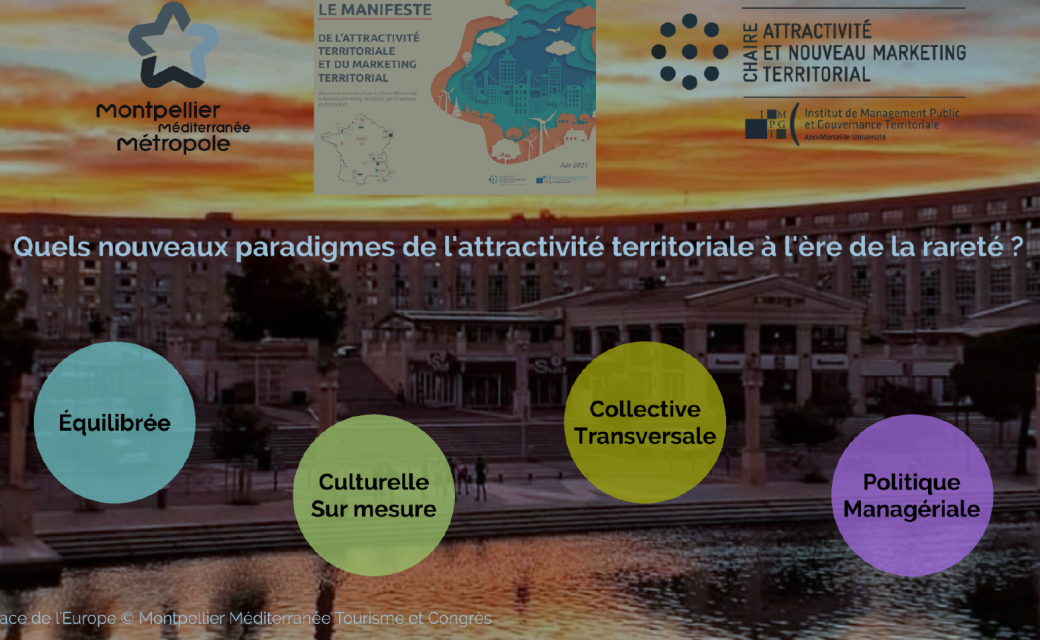
CNER's study of attractiveness agency professionals, combining interviews, a workshop and an online questionnaire, highlights a shift in the factors driving territorial attractiveness. Long focused on "hard" criteria (infrastructure, taxation, market), attractiveness is now based on a more qualitative and human approach. Agencies are finding that quality of life, work-life balance, access to healthcare services, housing and natural amenities are becoming strategic. Not least because of the reversal in the balance of power between employees and companies, in a context of telecommuting and changing relationships with work.
Faced with pressure on resources (land, water, energy, talent), companies are paying close attention to ecological transition, land conservation and soft mobility. Territories are encouraged to develop tailor-made approaches, integrating emotional and qualitative criteria rather than a simple objective of quantitative growth. The levers identified are based on human support (simplifying procedures, hospitality), territorial cooperation, strengthening the employer brand, but also anchoring training programs tailored to local skills needs. In short, attractiveness is an integrated strategy combining economic competitiveness, the well-being of local residents and environmental sustainability.
Keywords: territorial attractiveness, territorial competition, water, energy, land, training, hospitality, housing, employer brand, quality of life, talent, telecommuting, ecological transition.